
 Editorial Team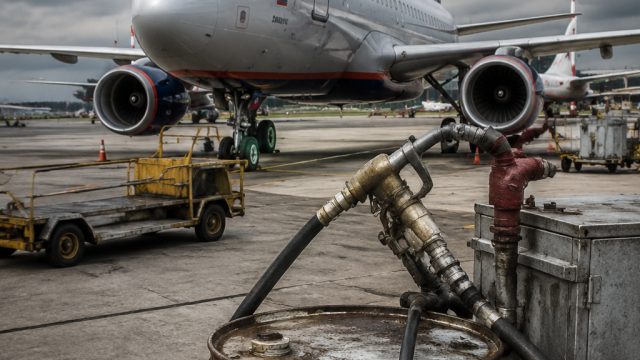
In a troubling development for the aviation sector, Russian airlines are warning of a significant jet fuel shortage that could jeopardize flight operations across the country. The economic rationale for continuing flights is diminishing rapidly, prompting urgent discussions among industry leaders and government officials. Given the current geopolitical climate and recent events impacting fuel supply, this issue has become a pressing concern for both the aviation industry and travelers.
The Current State of Jet Fuel Supply in Russia
The crisis stems from a combination of factors, including the ongoing conflict in Ukraine and international sanctions that have severely impacted fuel production and distribution. Reports indicate that several refineries have been targeted, leading to decreased output and heightened shortages. Airlines are now faced with not only rising fuel costs but also questions about the availability of fuel necessary for operations.
Impact on Airlines
- Flight scheduling disruptions: Many airlines are reconsidering their flight schedules due to the uncertainty surrounding fuel availability.
- Increased operational costs: The cost of fuel has spiked, further challenging the profitability of airlines.
- Potential service reductions: If the situation does not improve, airlines may be forced to cut routes or reduce flight frequencies.
Government Response and International Implications
In response to the crisis, the Russian government is exploring options to secure additional fuel supplies, including reaching out to neighboring countries like Kazakhstan. This pivot highlights the challenges the country faces in maintaining its aviation infrastructure while navigating international sanctions and supply chain disruptions.
Negotiations with Kazakhstan
Reports suggest that Russia has initiated discussions with Kazakhstan to procure gasoline to alleviate its fuel shortages. This move underscores the breadth of the crisis, as Russia seeks immediate solutions to sustain its airline operations. The implications of such negotiations extend beyond logistics; they also reflect the geopolitical tensions in the region and the potential impact on bilateral relations.
The Future of Aviation in Russia
As the situation continues to unfold, various scenarios could emerge. Experts are closely monitoring the implications of the jet fuel shortage on Russia's aviation landscape. Key factors include:
- Adaptation strategies: Airlines may need to innovate and adapt to the changing fuel landscape, possibly looking into alternative energy sources or more efficient aircraft to mitigate rising costs.
- Market consolidation: Weaker airlines may struggle to survive, leading to potential mergers or shutdowns within the industry.
- Regulatory changes: The government might implement measures to support the aviation sector, which could include subsidies or assistance programs.
Conclusion
The jet fuel crisis presents a significant challenge for Russian airlines, raising questions about the future of air travel in the region. As airlines grapple with supply shortages and soaring operational costs, the economic viability of many flights hangs in the balance. Stakeholders must act swiftly to navigate this crisis, ensuring that the aviation sector can adapt and continue to function amidst these unprecedented challenges. The situation is fluid, and travelers should stay informed about potential disruptions as the industry responds to this evolving crisis.

 published on 2026-07-09