
 Editorial Team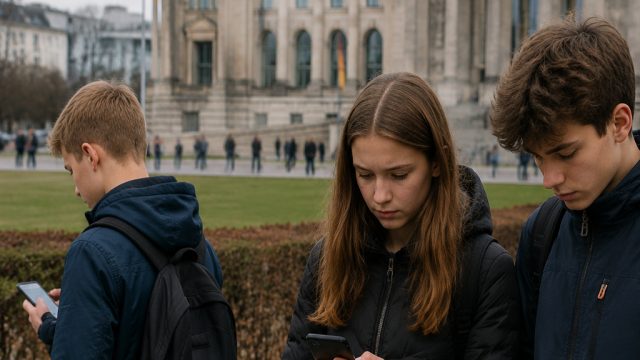
In a growing effort to protect the well-being of children and adolescents, Germany's Family Minister Karin Prien has advocated for establishing a minimum age of 13 for independent use of social media platforms. This recommendation arises amidst rising concerns about the impact of digital interactions on young users and their mental health.
The Rationale Behind the Proposal
Minister Prien, a member of the conservative party, has articulated the importance of implementing legal regulations to safeguard children from potential online harms. With platforms like TikTok, Instagram, and Snapchat increasingly popular among younger audiences, the government recognizes the need for structured guidelines to mitigate risks associated with their unrestricted use.
Impact of Social Media on Youth
Recent studies indicate that excessive social media exposure can lead to various issues, such as anxiety, depression, and cyberbullying. The proposed age limit not only aims to protect children but also to foster a healthier online environment. By limiting access until 13, the government hopes to ensure that younger users are mentally ready to navigate the complexities of social media interactions.
European Context and Collaborative Regulation
This initiative is part of a broader European strategy to enhance digital safety for minors. Germany's push for a minimum age aligns with ongoing discussions at the European level, where leaders are examining regulations that can foster safer digital spaces for young users across the continent. Collaborative efforts could lead to a comprehensive framework that prioritizes the welfare of children online.
Potential Benefits of an Age Limit
- Enhanced Protection: Establishing a minimum age can significantly reduce the exposure of younger children to inappropriate content.
- Improved Mental Health: Limiting use may help curb the increase in mental health issues related to social media interactions among younger populations.
- Parental Guidance: An age limit enables parents to have more control and guidance over their children's social media usage.
- Promoting Digital Literacy: Young users can be better prepared for social media engagement when they reach an age where they can understand its implications.
Challenges Ahead
While the proposal is welcomed by many, there are concerns regarding its implementation. Critics argue that age verification mechanisms can be easily bypassed, rendering such regulations ineffective. Moreover, there are questions about how this would be enforced across various social media platforms, particularly those that operate globally.
Addressing Resistance
Advocates for children's rights and technology experts are emphasizing the necessity of creating robust age verification systems. They propose the development of technological solutions that can accurately identify users’ ages without compromising their privacy. Engaging with tech companies in collaborative partnerships may also facilitate smoother implementation.
Conclusion: A Timely Discussion
The dialogue surrounding the minimum age for social media use is not just pertinent to Germany; it reflects a global trend towards ensuring safer digital environments for young audiences. As social media continues to evolve, so too must the frameworks governing its usage. The proposed minimum age of 13 stands as a pivotal moment in the ongoing conversation about youth safety in the digital age, and it is crucial for stakeholders to remain engaged as this issue unfolds.
With the implications of such regulations, parents, educators, and policymakers must collaborate to ensure that the digital landscape is navigated safely and responsibly for the well-being of future generations.
 published on 2026-07-12