
 Editorial Team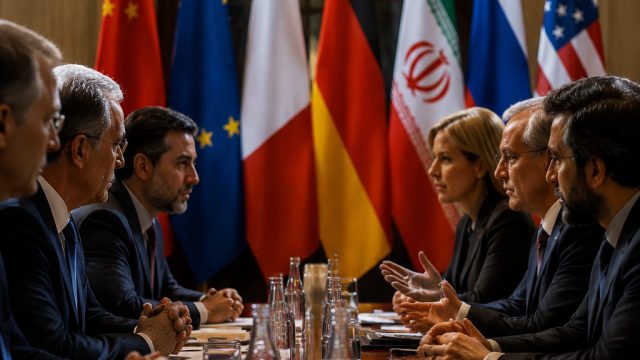
The ongoing negotiations surrounding the Iran Deal represent a critical juncture in international diplomacy, characterized by varied worldviews that clash at their core. As these discussions unfold, it’s essential to delve into the perspectives of key figures like Jared Kushner and the leaders of the Islamic Republic of Iran to grasp the intricate dynamics at play.
The Stakes Involved in the Iran Deal
The Iran Deal, officially known as the Joint Comprehensive Plan of Action (JCPOA), aims to prevent Iran from developing nuclear weapons in exchange for sanctions relief. This agreement is not merely a technical treaty; it embodies broader geopolitical conflicts and ideological battles that have shaped the Middle East for decades.
Jared Kushner's Influence
Jared Kushner, as a senior advisor to former President Donald Trump, played a pivotal role in shaping U.S. foreign policy in the region. His approach to the Iran Deal was influenced by a desire to adopt a more aggressive stance towards Iran, viewing it through a lens of deterrence rather than dialogue.
- Ideological Differences: Kushner's perspective is often mirrored by factions in the U.S. that advocate for a hardline approach to Iran, emphasizing sanctions and military readiness.
- Strategic Alliances: Kushner’s efforts to foster ties with Iran's regional adversaries, such as Saudi Arabia and Israel, illustrates a commitment to countering Iranian influence.
The Iranian Perspective
On the flip side, Iranian leadership views the negotiations through a different lens, rooted in national sovereignty and resistance to Western hegemony. The history of U.S.-Iran relations has been marked by distrust and hostility, particularly since the 1979 Islamic Revolution.
- Historical Context: Iran perceives the deal as a crucial opportunity to reintegrate into the global economy while safeguarding its nuclear ambitions.
- National Pride: The Iranian government portrays its nuclear program as a matter of pride and a symbol of technological advancement.
The Current Climate of Negotiations
As of now, the negotiations are fraught with tension. The changing global political landscape, marked by shifting alliances and emerging threats, adds layers of complexity to the talks. Both sides are under pressure to deliver results, not just for their national interests but also for the stability of the region.
Key Challenges Ahead
Multiple factors complicate the path forward in the Iran Deal negotiations. Some of these include:
- Domestic Pressures: Both U.S. and Iranian leaders face significant political pressures from hardliners within their respective countries, making compromises difficult.
- Global Response: The international community's reaction to the outcome of these negotiations could have lasting repercussions on global security dynamics.
- Technological Developments: Advances in nuclear technology and regional armament raise concerns over escalation should talks collapse.
Why This Matters Now
The urgency surrounding the Iran Deal negotiations cannot be overstated. As geopolitical tensions rise, with the potential for conflict lingering in the background, the implications of these discussions extend far beyond the immediate parties involved.
Moreover, the consequences of failing to reach an agreement could result in a renewed arms race in the Middle East, exacerbating existing conflicts and leading to more significant humanitarian crises.
The Role of Global Powers
The involvement of major global powers like China and Russia, who are keen to support Iran, adds another layer of complexity to the negotiations. These nations have their strategic interests, and their influence can significantly alter the dynamics of the talks.
Conclusion: A Delicate Balance
Ultimately, the Iran Deal negotiations represent a delicate balance between cooperation and conflict. Understanding the perspectives of key players—like Jared Kushner and the leaders of Iran—provides valuable insights into the broader implications of these talks for global politics.
As we observe these negotiations unfold, it is crucial to recognize the historical contexts, ideological divides, and geopolitical stakes that shape the future of not just Iran, but the entire region. With the world watching closely, the outcomes of these discussions could set the tone for international relations for years to come.

 published on 2026-07-12