
 Editorial Team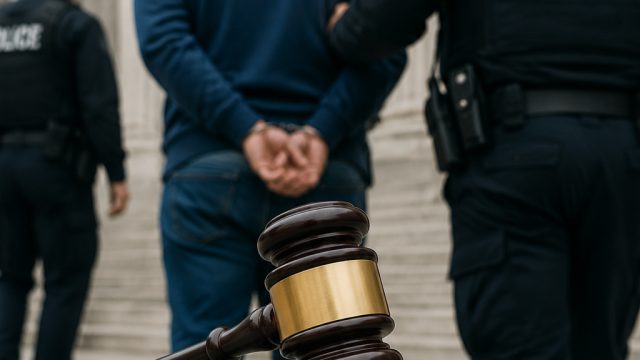
A federal judge's recent ruling has brought a significant setback to the Trump administration's controversial policy aimed at arresting undocumented immigrants in courthouses across the United States. This decision not only has immediate legal ramifications but also highlights broader issues around immigration enforcement and the rights of individuals within the judicial system.
The Background of the Policy
Under previous administration directives, U.S. Immigration and Customs Enforcement (ICE) had implemented a strategy allowing agents to arrest individuals at immigration courts. Officials argued that this was necessary for enforcing immigration laws. However, critics contended that such practices created an atmosphere of fear among immigrants, discouraging them from seeking justice or participating in legal proceedings.
Legal Challenge and Court Findings
The recent ruling by Judge William Orrick of the U.S. District Court for the Northern District of California effectively blocks this practice. Judge Orrick found that the policy violated due process rights, asserting that apprehending individuals within the courthouse setting undermines the integrity of the judicial process.
In his decision, Judge Orrick emphasized: "The courtroom should be a space where individuals can seek justice without the looming threat of arrest. This policy undermines that principle." This statement encapsulates one of the main arguments against the enforcement of immigration laws in sensitive areas such as courts.
Why This Matters Now
The timing of this ruling is crucial. With increasing discussions surrounding immigration reform and public sentiments shifting towards more humane treatment of immigrants, this decision reflects a pivotal moment in the ongoing debate over immigration policies in the United States. Many advocates for immigrant rights are celebrating the ruling as a victory for those who fear seeking legal help.
- Impacts on Immigrant Communities: The ruling is seen as a protective measure that encourages immigrant individuals to seek legal advice and representation without the fear of arrest.
- Legal Precedents: This case could establish a precedent for future rulings, influencing how immigration laws are enforced in relation to the judicial system.
- Public Sentiment: As public consciousness grows surrounding the treatment of immigrants, this ruling aligns with a shift towards more compassionate policies.
Future Implications for Immigration Policy
The ruling may prompt the Biden administration to reassess its current strategies regarding immigration enforcement. As the landscape of immigration policy continues to evolve, this decision might catalyze a wider reevaluation of how immigrant communities are treated within the legal system.
Key Considerations Moving Forward
As advocates and lawmakers react to this ruling, several factors will shape the future of immigration enforcement:
- Legislative Action: Will Congress respond with new laws that reinforce these judicial findings?
- Policy Adjustments: How will the Biden administration adapt its policies in light of this significant legal challenge?
- Public Advocacy: There may be an increase in public campaigns aimed at protecting immigrants’ rights, influenced by this court decision.
Conclusion
The recent court ruling against the Trump administration’s immigration arrest policy at courthouses marks a crucial moment in the ongoing dialogue about immigration rights and judicial integrity. By dismissing the policy, the court emphasizes the importance of maintaining a judicial environment where all individuals, regardless of their immigration status, can seek justice without fear. As this landscape continues to evolve, it remains to be seen how these legal precedents will shape future immigration policies and practices in the United States.

 published on 2026-07-17