
 Editorial Team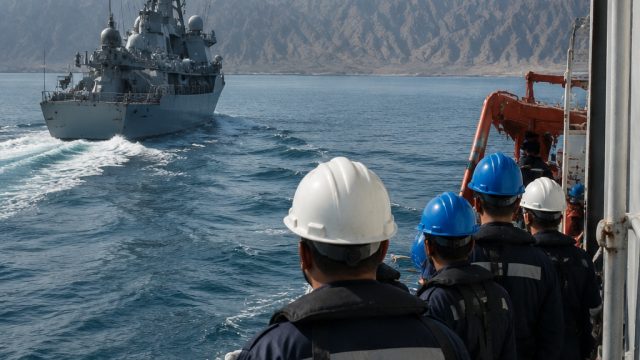
Amid rising tensions in the strategic Strait of Hormuz, the United Nations has announced an urgent plan to evacuate approximately 11,000 sailors who are currently stranded. This decision comes in light of escalating geopolitical disputes in the region, making maritime safety a pressing concern.
The Current Situation in the Strait of Hormuz
The Strait of Hormuz is a critical maritime pathway, serving as a conduit for a substantial portion of the world’s oil supply. With recent hostilities between US and Iranian forces, the area has become increasingly perilous for maritime operations. The UN’s decision to evacuate these sailors reflects the urgent need to ensure their safety amid this ongoing crisis.
Why the Evacuation is Necessary
- Security Threats: The risk of military confrontations has heightened, leaving sailors vulnerable to potential attacks.
- International Pressure: The global community is advocating for peaceful maritime navigation, putting pressure on nations involved.
- Humanitarian Concerns: Thousands of sailors face uncertain conditions on stranded vessels, prompting the UN’s intervention.
Impact on Global Trade
The evacuation process is not only a humanitarian effort but also has significant implications for global trade. The Strait of Hormuz is vital for the transportation of oil and gas, and disruptions due to military activities or evacuations could have far-reaching consequences.
What This Means for Oil Prices
With tensions rising, many analysts are watching oil markets closely. Any disruption in shipping routes could lead to increased prices, impacting economies worldwide. The UN evacuation aims to stabilize the situation, but uncertainty remains:
- Short-Term Volatility: Prices may spike during the evacuation period as traders react to news.
- Long-Term Effects: Continued instability could lead to sustained price increases, affecting consumers globally.
International Reactions
Global responses to the UN's evacuation announcement have been mixed. While some nations commend the intervention, others express concern over the implications for regional power dynamics.
Political Ramifications
The geopolitical landscape is shifting as nations react to the maritime crisis:
- US Stance: The United States has reiterated its commitment to ensuring freedom of navigation and has increased naval presence in the area.
- Iran's Position: Iran has condemned foreign military presence, warning against potential escalation.
Conclusion: Why This Matters Now
The UN's plan to evacuate sailors in the Strait of Hormuz underscores a critical moment for maritime safety and global trade. As tensions in the region escalate, the focus on ensuring the safety of individuals aboard stranded vessels highlights significant humanitarian and economic issues. Stakeholders around the world must stay informed as developments unfold, impacting everything from oil prices to international relations. The urgency of this situation calls for collective action and awareness, emphasizing the need for peace and stability in one of the world's most essential maritime corridors.

 published on 2026-07-10