
 Editorial Team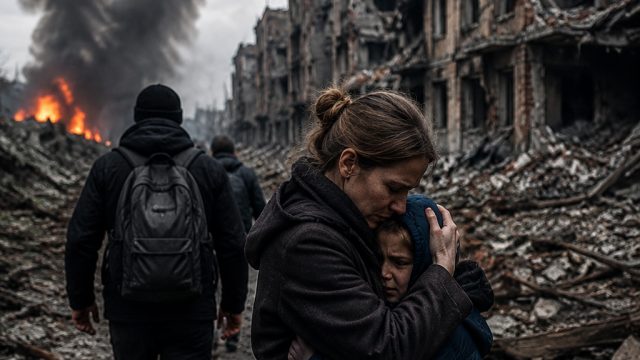
The Global Impact of Ongoing Conflicts: Insights on Ukraine and Beyond
The conflict in Ukraine has persisted for over a year and a half, with significant implications not just for the region but for the entire globe. As the situation evolves, it’s crucial to understand the broader context and potential outcomes of this protracted struggle.
Current Situation in Ukraine
As of now, the war has escalated, affecting millions of lives and causing a humanitarian crisis. Cities are under siege, and countless civilians have been displaced. The international community remains divided on the response, with some nations offering support to Ukraine while others remain ambivalent.
Humanitarian Impact
The humanitarian consequences of the conflict are dire. According to recent reports, humanitarian organizations are struggling to provide essential services amidst ongoing violence. Key challenges include:
- Displacement of over 7 million people within Ukraine.
- Critical shortages of food, medicine, and other essential supplies.
- Psychological trauma experienced by civilians, especially children.
Global Reactions and Implications
The geopolitical landscape has shifted dramatically due to the war. Nations around the world are reassessing their military and economic strategies in light of Ukraine's resilience and the international response to Russian aggression. Key developments include:
Increased Military Support
Countries across Europe and North America have ramped up military aid to Ukraine, sending sophisticated weaponry and training support. This surge in assistance has been critical in empowering Ukraine's defense efforts. Additionally, NATO has bolstered its presence in Eastern Europe to deter further aggression.
Economic Sanctions on Russia
In an effort to curb Russian advances, many nations have imposed stringent economic sanctions aimed at crippling the Russian economy. These measures have led to:
- Severe impacts on the Russian financial system, including currency devaluation.
- Trade barriers that have isolated Russia from global markets.
- Increased inflation and cost of living challenges within Russia.
The Role of the International Community
The role of international organizations, such as the United Nations and humanitarian NGOs, has been more vital than ever. Their efforts are focused on:
Diplomatic Negotiations
Diplomatic channels remain open as various countries work toward a resolution. However, the complexities of the situation mean that consensus is challenging. Key points of contention include:
- Territorial integrity versus the right to self-determination.
- Balancing military support with calls for peace.
- Ensuring the safety and welfare of displaced populations.
Humanitarian Aid Efforts
International organizations are mobilizing support through fundraising and resource allocation. These initiatives aim to:
- Provide emergency assistance to those affected by the conflict.
- Restore essential services and infrastructure in war-torn areas.
- Support mental health initiatives to help communities heal.
Looking Ahead: Future Scenarios
As the conflict continues, analysts are speculating about potential future scenarios. These may include:
- A prolonged stalemate leading to a frozen conflict.
- The possibility of renewed peace talks that could yield a ceasefire.
- Further escalation if diplomatic efforts fail.
Understanding these dynamics is crucial not only for policy-makers but for individuals worldwide who will feel the effects of this conflict in various forms, from economic repercussions to shifts in global alliances.
Conclusion
The ongoing conflict in Ukraine serves as a stark reminder of the fragility of peace in the modern world. As nations navigate the complexities of international relations amidst this crisis, it is essential to stay informed and engaged. The implications of this war will shape geopolitical landscapes and influence the lives of millions, both within the region and globally.

 published on 2026-07-13