
 Editorial Team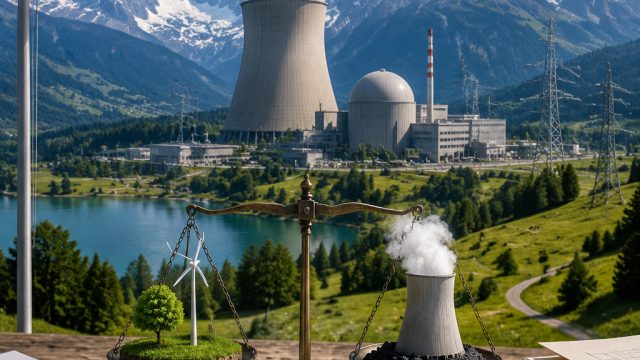
In a surprising twist, Switzerland's nuclear energy policy is under intense scrutiny as the current government seeks to overturn a longstanding ban on new nuclear power plant constructions. Originally enacted through a public referendum in 2017, this ban was intended to steer the country towards more sustainable energy solutions. However, the recent shift in political leadership has reignited debates surrounding the nation's energy future and its environmental implications, making this a crucial moment for both policymakers and citizens.
The Political Landscape Shifts
The conservative government's push to challenge the nuclear construction ban raises serious questions about Switzerland's commitment to combat climate change. A significant portion of the Swiss population has expressed concerns over the environmental and health risks associated with nuclear energy. As discussions unfold, it's vital to understand the motivations behind these political maneuvers.
The Rise of Political Pressure
Since the election of the current conservative leadership, there has been an increasing sense of urgency to adapt Switzerland's energy strategy. The government argues that nuclear power could provide a stable energy supply that complements renewable sources, especially in light of recent energy shortages across Europe. However, critics argue that this perspective overlooks the long-term consequences of nuclear energy, including waste management and potential disasters.
Public Sentiment and Environmental Concerns
Switzerland has a strong tradition of involving its citizens in decision-making through referendums. The 2017 ban on new nuclear plants was a clear indication of public sentiment, showcasing a preference for renewable energy sources like wind, solar, and hydroelectric power. The current administration’s attempt to reverse this decision has sparked protests and campaigns aimed at preserving the ban.
Health and Safety Risks
- Potential radiation exposure
- Nuclear waste management challenges
- Environmental contamination concerns
The fear of environmental disasters, reminiscent of incidents like Chernobyl and Fukushima, looms large in public discourse. Many citizens assert that investing in renewables is a better path toward sustainability, providing a cleaner energy future without the associated risks of nuclear power.
Comparative Global Context
Switzerland is not alone in grappling with the future of nuclear energy. Worldwide, nations are reevaluating their energy policies, particularly as climate change intensifies. Countries like Germany and France have varying approaches to nuclear energy that could influence Switzerland's decisions. Understanding these global trends is crucial as Switzerland navigates its energy policy landscape.
Learning from Other Nations
- Germany: Has pledged to phase out nuclear energy post-Fukushima, heavily investing in renewable sources.
- France: Relies on nuclear power for about 70% of its electricity, emphasizing energy independence.
By examining these examples, Switzerland can learn valuable lessons about balancing energy needs with environmental responsibilities.
The Path Forward: Potential Implications
As Switzerland's government navigates these critical discussions, the implications extend beyond energy policy. The outcome of this debate could redefine Switzerland’s environmental stance, impacting international collaborations on climate action. A commitment to nuclear power could alienate citizens who prioritize sustainability over traditional energy sources.
What’s at Stake?
- Public trust in government policies
- Future investments in renewable energy technologies
- Switzerland's role in global climate initiatives
With climate-related challenges escalating, it’s imperative for Switzerland to consider the long-term impacts of its energy choices. The current political maneuvers could set a precedent for how the country approaches climate change and energy sustainability.
Conclusion: A Call for Thoughtful Dialogue
As Switzerland stands at a crossroads regarding its nuclear energy policy, it is crucial for citizens, policymakers, and environmental advocates to engage in meaningful dialogue. With the future of the environment at stake, the nation must carefully weigh the benefits of nuclear power against the potential risks and ethical considerations of sustainability. The ongoing debates surrounding these issues will ultimately shape not only Switzerland's energy future but also its commitment to combating climate change.

 published on 2026-07-13